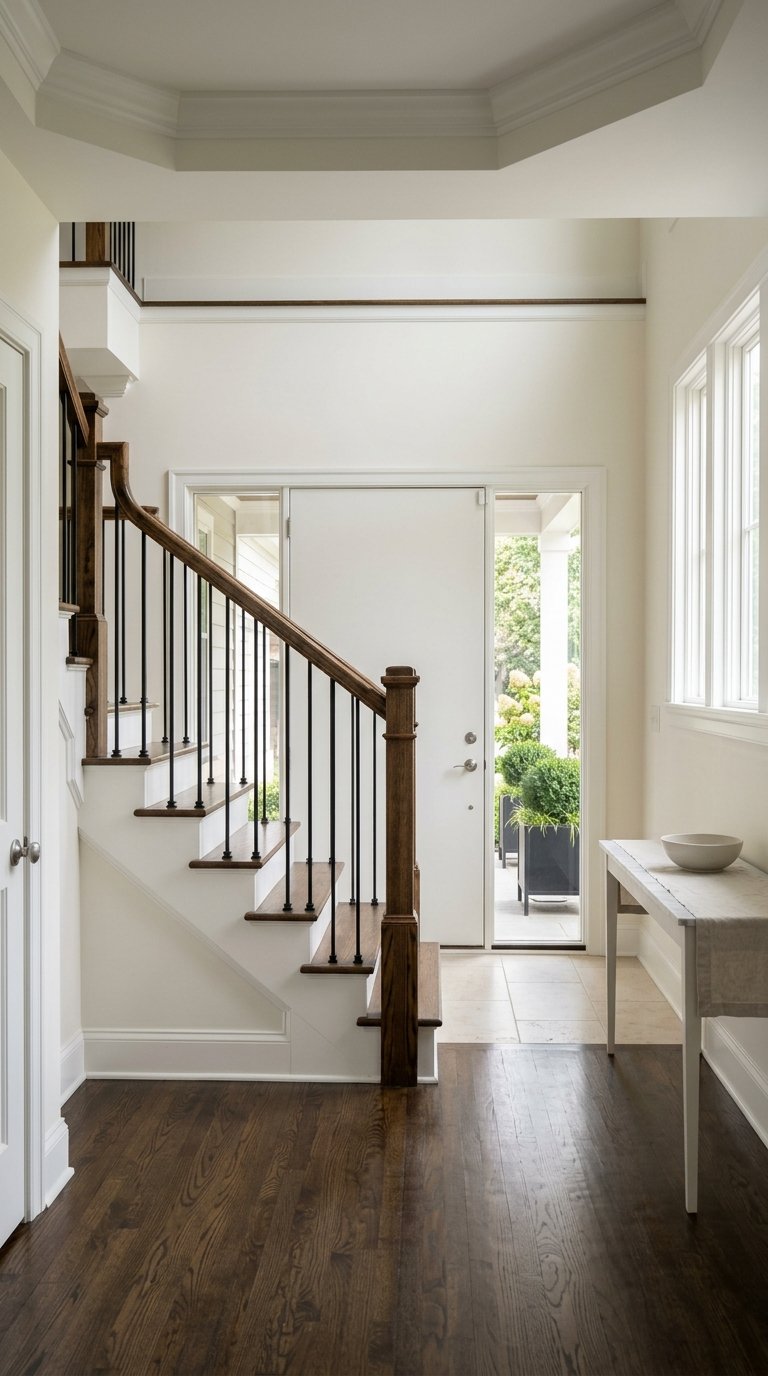
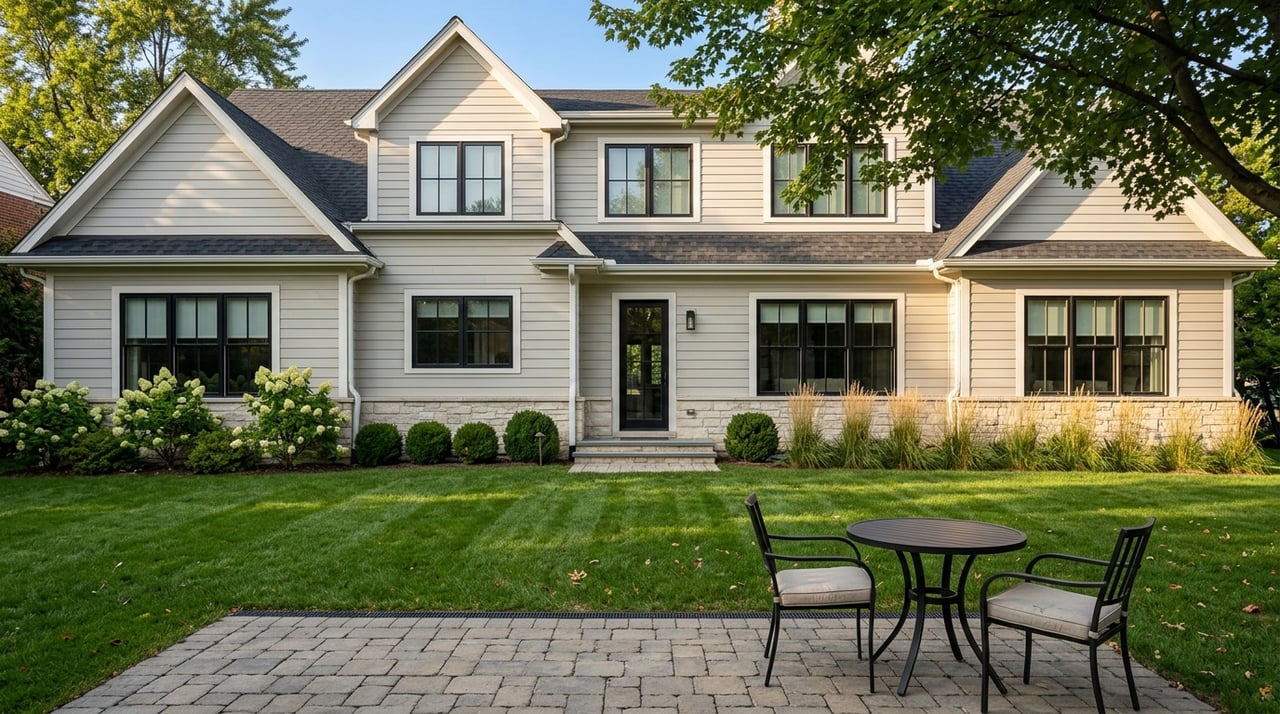
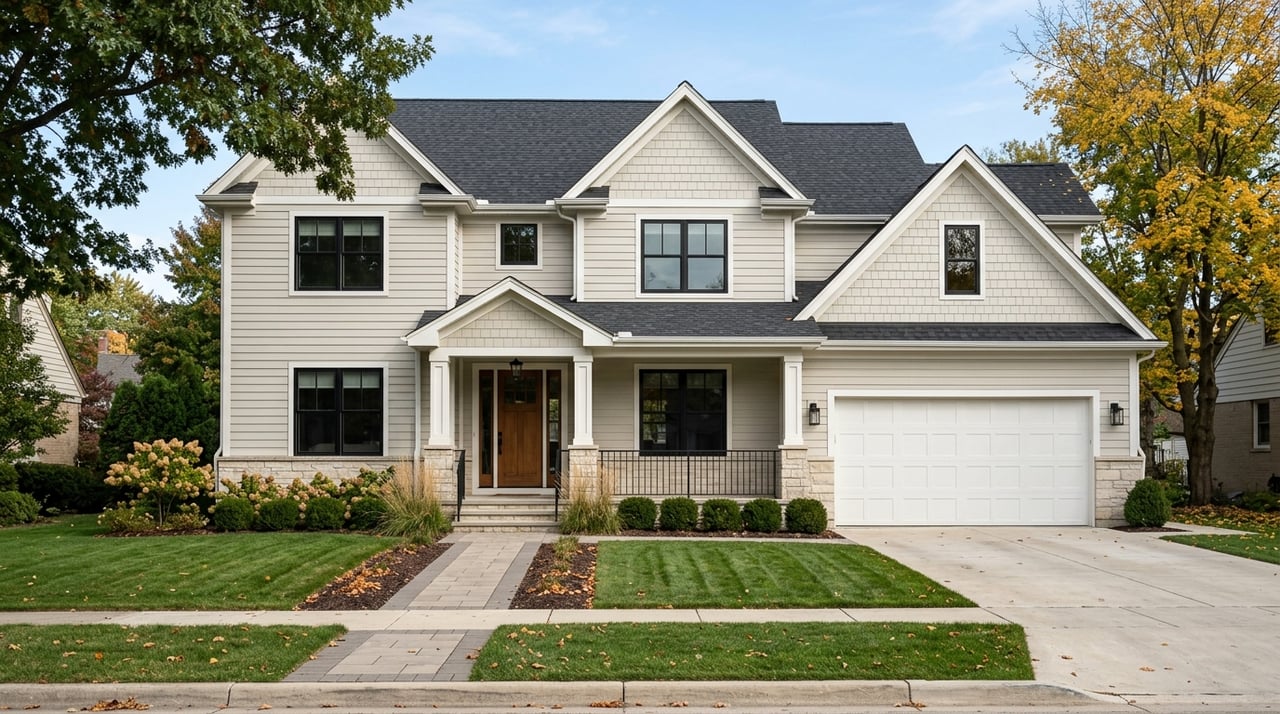
Thinking about trading stairs and yard work for a simpler, greener lifestyle? If you want quiet streets, easy trail access, and a manageable home without giving up Chicago connections, Palos Park might be on your shortlist. In this guide, you’ll learn what housing is available, what it tends to cost, how taxes and exemptions work, and what everyday life looks like here. You’ll also get a simple checklist to use on tours. Let’s dive in.
Palos Park at a glance
Palos Park is a small, established village of about 4,800 residents with a median age near 60, which often appeals to people planning their next, lower‑maintenance chapter. You’ll find an older, stable community with low year‑to‑year mobility and a housing stock that reflects classic suburban styles. Census Reporter’s profile of Palos Park offers a helpful overview.
The housing stock skews mid‑century and later, with a median year built around the 1970s. That means mature trees and larger lots in many areas, plus the need to plan for routine updates. The CMAP Community Data Snapshot shows that single‑family homes dominate the market.
Outdoor lovers often choose Palos Park for its direct access to the Palos forest‑preserve system and local bike and trail connections. The village also has a Metra station on the Southwest Service for trips into the city. You can get details on trail connectivity on the Village bike and trail page and commuter rail on the Train Service page.
Housing options for downsizers
What’s common
Single‑family detached homes make up roughly 70% of the housing stock, with townhomes and other attached units as the next‑largest share. Larger multifamily buildings are less common. Most owner homes have 3–4 bedrooms, so if you want a smaller footprint, focus your search on 1–2 bedroom condos or townhomes and single‑level ranches when they come up. These patterns are detailed in the CMAP snapshot.
Home age and upkeep
With a median year built around 1974, many properties are “established” rather than brand new. That can mean charm and mature landscaping, but it also calls for a careful look at roofs, HVAC, windows, and accessibility features. Budget for updates that help you live comfortably on one level. Find the housing‑age breakdown in the CMAP data.
Price signals today
Recent market trackers have shown a median sale price band roughly in the high $400Ks to upper $500Ks, depending on methodology and timing. Since inventory is tight and mobility is low, the most sought‑after single‑level homes and smaller condos can be irregular in their availability. You can review community context and mobility patterns in Census Reporter’s Palos Park profile.
Cost of living to plan for
Property taxes and senior exemptions
Cook County’s effective property tax rates tend to run higher than the U.S. median. Third‑party summaries for Palos Park often land in the low‑to‑mid 2% effective‑rate range, and typical estimated annual tax bills are often cited around $7,000 to $9,000, though your bill will depend on assessed value, local districts, and exemptions. For a quick sense of local patterns, see the Palos Park page on Ownwell’s data summary.
If you are 65 or older, review senior‑focused programs that can lower your tax burden. Cook County and Illinois offer the Senior Citizens Homestead Exemption, the Low‑Income Senior Assessment Freeze, and a tax deferral option. Get plain‑English guidance from the AARP Property Tax‑Aide page for Illinois. For parcel‑specific help and correction steps, use the Cook County Assessor’s Certificates of Error and exemptions page.
Tip: Ask the seller for the past two tax bills and confirm whether exemptions were applied. Exemptions and assessment changes can shift annual costs more than you might expect.
State income tax and fees
Illinois has a flat 4.95% state income tax rate, which can matter if you plan to work part‑time or draw taxable retirement income. You can verify the rate at the Illinois Department of Revenue. Everyday costs like utilities and insurance vary by property, so fold those into your monthly budget.
HOA fees and maintenance
If a condo or townhome fits your plan, request HOA documents early. Monthly fees can cover exterior maintenance, lawn care, snow removal, reserves, and building insurance. These costs affect affordability and can differ widely by community. Confirm what is covered and whether reserves are strong enough to avoid surprise assessments.
Amenities and access
Trails and greenspace
Palos Park sits on the edge of one of the region’s largest forest‑preserve complexes, with multi‑use trails, birding spots, and quiet loops for daily walks. The village highlights local connections on its bike and trail page. If easy outdoor time is a must, this is a standout advantage.
Transit and commuting
The Palos Park Metra station on the Southwest Service offers a rail option into Chicago. Schedules and parking details are posted on the Train Service page. According to ACS reporting, the average commute time here is about 30 minutes, which suits many part‑time city commuters. Check weekday and weekend frequency before you decide.
Healthcare and senior services
Northwestern Medicine Palos Hospital serves the area and is a short drive from much of the village, which is reassuring if you want close access to emergency and outpatient care. You can learn about the facility’s history and services through Northwestern Medicine’s Palos Hospital page. Nearby suburbs add more specialty providers. You will also find local independent‑living and assisted‑living options in and around the village. Confirm current availability and levels of care directly with each provider.
Community services and safety
Palos Park maintains village programming, a library presence, and municipal services like waste and snow removal that many downsizers appreciate. Recent FBI‑based tallies compiled by third parties show very low violent‑crime counts and modest property‑crime counts compared with many communities in Cook County. For the latest context, review a recent snapshot such as this crime summary for Palos Park and consult local police updates.
Is Palos Park a fit? Pros and tradeoffs
Every move involves give‑and‑take. Here is a quick lens to help you weigh fit.
Pros:
- Quiet, wooded setting with daily access to forest‑preserve trails.
- Metra rail access for Chicago trips and a regional average commute time near 30 minutes.
- Proximity to Northwestern Medicine Palos Hospital and other providers.
- Established single‑family options, including ranches when available.
Tradeoffs:
- Higher effective property tax rates than the U.S. median; bills vary widely by parcel.
- Limited and irregular supply of smaller condos and one‑level homes due to low turnover.
- Older housing stock often needs planned updates and accessibility tweaks.
- Median sale prices in the high $400Ks to upper $500Ks in recent trackers.
Your downsizer checklist
Use this printable checklist when you tour homes or compare options.
- Financial fit
- Tally total monthly cost: mortgage, property taxes, insurance, HOA/condo fees, utilities, and routine maintenance. Ask the seller for the last two tax bills. For parcel corrections or missing exemptions, see the Assessor’s Certificates of Error and exemptions page. You can also scan broad local tax patterns via Ownwell’s Palos Park summary.
- Accessibility and layout
- Aim for true single‑level living or price out upgrades like grab bars, wider doorways, and low‑threshold showers. Request floor plans and a contractor estimate if needed.
- Health and emergency access
- Map drive times to your doctors and tour Northwestern Medicine Palos Hospital. Ask about urgent care and outpatient services common for local residents.
- Maintenance and seasonality
- Decide who will handle snow removal, gutter cleaning, and yard care. If buying a condo or townhome, review CC&Rs, budgets, and reserve studies.
- Everyday convenience
- Test routes to your preferred grocery store, pharmacy, and bank. If you plan to use transit, confirm service patterns on the Train Service page and note nearby Pace routes.
- Long‑term liquidity and resale
- Because turnover is low, review comparable sales for one‑level homes and smaller condos. Track active inventory and days on market with your agent before writing offers.
Next steps
If Palos Park sounds like a match, the next move is a focused search. Start by clarifying your must‑haves, previewing a few right‑sized floor plans, and running a clear total cost of ownership. When you are ready, connect with a local expert who can flag coming‑soon opportunities, explain Cook County tax programs, and negotiate the details that matter.
Have questions or want a custom downsizing plan for Palos Park and nearby suburbs? Schedule a Free Consultation with Regina Glascott.
FAQs
What should a downsizer expect to pay in Palos Park?
- Recent market trackers show median sale prices in the high $400Ks to upper $500Ks, with variation by property type, timing, and updates.
How high are Palos Park property taxes for retirees?
- Effective rates commonly land in the low‑to‑mid 2% range, with many estimated bills cited around $7,000 to $9,000, but your exact bill depends on assessed value and exemptions; review senior programs via the county and AARP’s Illinois page.
Does Palos Park have easy trail and nature access?
- Yes. The village borders the Palos forest‑preserve system with extensive trails; see the bike and trail page for local connections.
Is Palos Park practical for part‑time Chicago commuters?
- Many find it workable. The local Metra station on the Southwest Service offers rail access into the city; confirm schedules and parking on the Train Service page.
How close is the nearest hospital to Palos Park homes?
- Northwestern Medicine Palos Hospital is a short drive from much of the village, with additional providers in nearby suburbs; learn more on the hospital page.
Are there condos or senior living options in Palos Park?
- Yes, but supply is limited. You will find smaller condos and townhomes, plus independent and assisted‑living communities in and around the village; verify current availability directly with each provider.